

There might be a shakeup coming to the Artemis program, and it would put Canada on the front seat of a moon landing if it happens.
NASA officials raised the matter of ongoing delays in SpaceX’s Starship program in a press conference Tuesday (Aug. 8) with Artemis 2 astronauts at NASA’s Kennedy Space Center in Florida. There’s a chance that it could be Artemis 4 that is the first moon-landing mission since Apollo – and from past discussions we do know Canada could be on that very mission.
To be clear, Canada is manifested to be on Artemis 2 with astronaut Jeremy Hansen. That is a round-the-moon mission that remains on schedule for now, for November 2024. But the Canadarm3 contribution by the Canadian Space Agency (CSA) and MDA will bring Canada multiple Artemis missions. CSA suggested publicly at a conference in May that Artemis 4 and Artemis 6 are possibilities for Canada, but this has not yet been confirmed.

Artemis 3 is supposed to include a moon landing, but it has two main outstanding questions. Spacesuits are one of those questions – and we have yet to hear a recent update from Axiom Space on how development is going. But what NASA and reporters focused on was Starship.
“We can we do other missions, if possible,” NASA associate administrator Jim Free, of the exploration systems mission directorate, said about Artemis 3. He was referring to what may happen if SpaceX fails to meet its delivery deadline of sending Starship.
While NASA has not yet released what those alternate plans would be, this isn’t the first time Free has talked about SpaceX’s progress. In June, at the National Academies’ Aeronautics and Space Engineering Board and Space Studies Board, Free was reported in media saying that issues with Starship may see Artemis 3 slip to 2026.
NASA wants to see multiple things from SpaceX, Free emphasized in the new briefing on Monday (Aug. 8). Several successful space launches and landings of Starship would be one of them, and Free noted that officials are still “digesting” the results of a recent update to NASA officials at Starbase (SpaceX’s Texas operations base) before bringing the matter more public.

SpaceX isn’t near flight at this time. Yes, the company attempted to launch to space in April, but engine problems caused the spacecraft to spin out of control – forcing a remote detonation. The resulting fallout, literal and figurative, blasted sand and debris over a wide zone while prompting an ongoing investigation from the Federal Aviation Administration (FAA). Starship is grounded pending that investigation finishing and SpaceX addressing all FAA concerns.
Starship fired its engines for a ground test a few days ago, but even that met with engine issues. The test of Booster 9 saw four engines shut down prematurely out of 33. SpaceX is striking a confident tone, and they are known for quality hardware, but NASA also has its own mission deadlines to meet.
Artemis 2 is manifested for November 2024, and Artemis 3 (so far) for December 2025. These are tentative dates at this time. They depend on milestones like crew readiness, hardware, weather and – in the case of Artemis 3 – just how many things need to be examined after the Artemis 2 mission completes.
NASA has also said that they are going to go slowly and safely. “I want you to know having lived through Challenger as a young astronaut candidate, and through Columbia in a senior leadership position. We’re going to do our absolute very best to ensure that when they strap in, we have done all that we possibly can to ensure their safety,” NASA’s Bob Cabana, a former astronaut who is now associate administrator, said at the same press conference.
We can probably expect an update from NASA and SpaceX in the fall as to how progress is going on Artemis 3. But for now, the focus remains on Artemis 2 – and things are looking great in that respect. NASA is still reviewing charring on the heat shield from the uncrewed Artemis 1, but that was the only major outstanding item raised at the press conference.
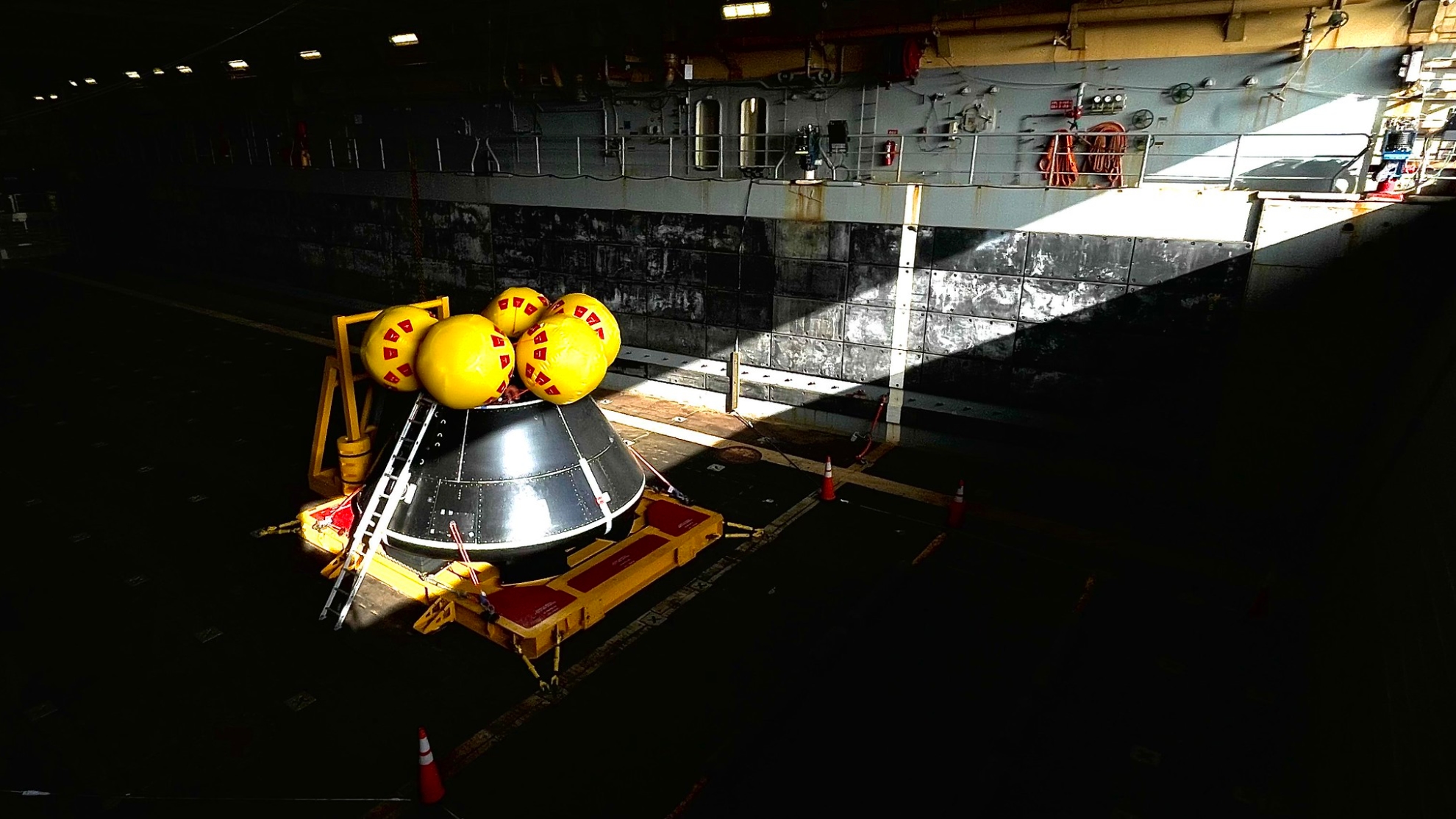
Still, everyone is proceeding with caution – including Hansen himself. He joked with reporters that he knew going to the moon was hard, but “it’s harder than I thought.”
“What’s so obvious to all of us behind the scenes – and we see it day to day – is success is not in the final solution. It’s not in the touchdown or the launch date,” Hansen emphasized, with regards to the mission plan for the Artemis program. “The success is in the learning. That’s happening right now. Learning is happening.”